Applications & Technical Articles
Selection guides, operating notes and troubleshooting written by our process engineers — the questions customers actually ask before and after a resin bed goes into service.
KNOWLEDGE BASE
Technical Articles
Practical notes on resin selection, regeneration, fouling and metal recovery. New articles are added regularly — if you would like one on a specific duty, tell us and we will write it.
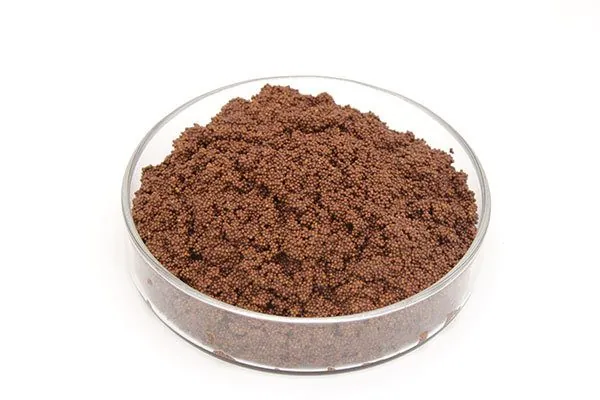 01
How to Select an Ion Exchange Resin: A Practical Checklist for Process Engineers
Five inputs decide most resin selections: the ion to be removed, the full feed analysis, the required effluent quality, the regenerant you can handle and the hydraulic space you have. Work through them in this order.
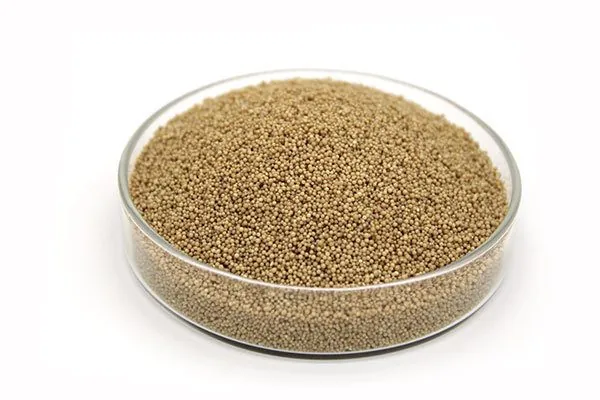
 02
Regenerating Strong Acid Cation Resin: Acid Dosage, Concentration and Flow Rate
Regenerant is usually the largest operating cost of a cation exchange plant, and most of it is wasted. Here is how to calculate the acid dose properly, why concentration limits exist, and which operating habits quietly double consumption.
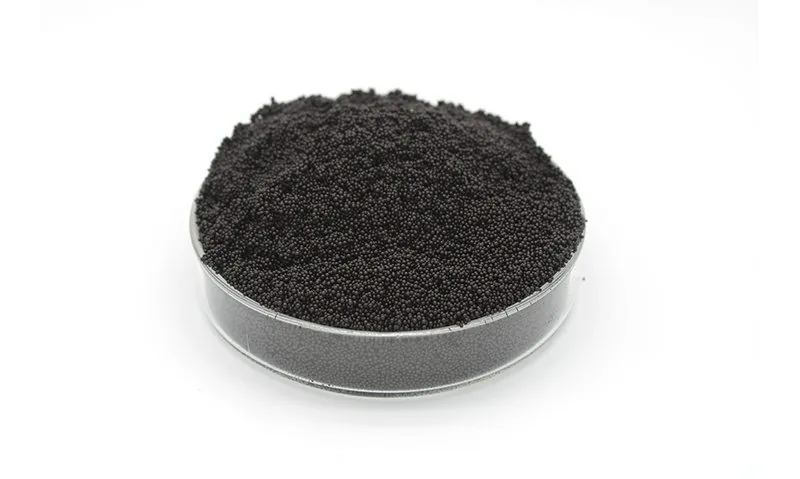
 03
Chelating Resins for Heavy Metal Removal: Selectivity, pH Windows and Design Rules
Chelating resins bind transition metals far more strongly than calcium or magnesium, which is why they can polish copper or nickel down to ppb levels from a stream full of hardness. The whole design turns on pH and on the ions that compete.
 04
Ion Exchange Resin Fouling: How to Diagnose It and Clean It Without Damaging the Bed
Capacity loss, a creeping pressure drop and a rinse that never quite ends are the three classic signs of fouling. Identify the foulant before you clean, because the wrong chemical can do more damage than the contamination.
 05
Gold Adsorption Resins and Industrial Recovery Processes
Resin-based gold recovery outperforms activated carbon on selectivity, elution and gold losses in regeneration. How the resin families work on Au(CN)2- and AuCl4-, and the standard adsorption-elution-recovery workflow.
 06
PFAS Selective Adsorption Resin: Operating Instructions from Influent to Replacement
A hydrophobically modified strong-base anion resin removes PFOA, PFOS, PFHxS and GenX from drinking water, groundwater and leachate. Pretreatment, start-up, operating windows, and the difference between single-use and regenerable operation.
 07
Uranium Adsorption Resins and Industrial Extraction Processes
From acid heap-leach liquor to seawater, uranium-selective resins concentrate and purify uranyl species at trace levels. Resin families, the RIP flowsheet, elution chemistry and the parameters that decide loading capacity.
 08
CO2 Adsorption Resins and Solid-Sorption Carbon Capture Processes
Amine-functionalized resins immobilize CO2 chemistry on solid beads for post-combustion capture, biogas upgrading and direct air capture - without amine volatility, corrosion or the regeneration heat penalty of liquid solvents.
Cannot find the duty you are looking for?
Send us your water analysis and process conditions — we will recommend a resin and a regeneration scheme.